

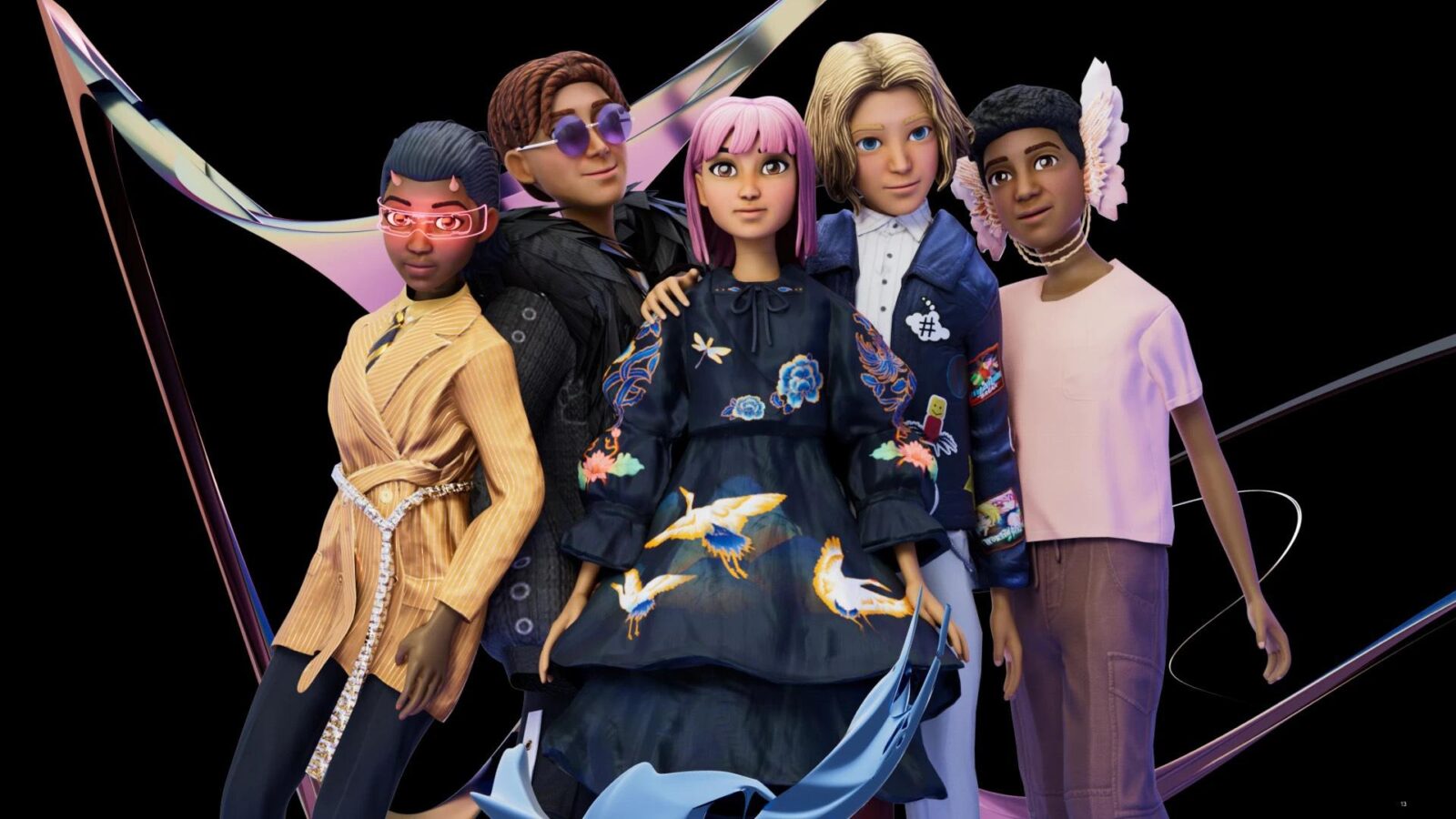
Imagine entering a luxury brand’s virtual store in the metaverse. Before you browse the collection, the platform pauses and asks you to build a digital version of yourself.
Your avatar.
You adjust facial features, clothing, posture, and accessories until the figure on the screen begins to feel recognisably “you.” This moment of avatar customisation in the metaverse may appear like a simple interface step, but for brands it represents something far more significant.
It is the point where identity, consumption, and brand experience intersect.
Luxury brands entering virtual environments are beginning to realise that avatar customisation in the metaverse is not merely about aesthetics or entertainment. It is about how consumers express themselves, how they position themselves socially within digital spaces, and how strongly they connect with the brand hosting that environment.
The question, therefore, is not simply how an avatar looks.
The deeper question is: whose identity the avatar ultimately reflects.
The Avatar as a New Kind of Consumer Object
In traditional consumer research, products are external to the consumer. A handbag, a watch, or a jacket may signal identity, but they remain objects that the consumer owns.
An avatar is fundamentally different.
Through avatar customisation in the metaverse, the consumer is not just choosing a product. They are constructing a digital representation of themselves inside a branded environment.
This creates a unique intersection of three forces:
- Self-expression — how individuals wish to represent themselves
- Brand identity — the symbolic world created by the brand
- Social signalling — how consumers communicate status or personality to others
Because avatars function simultaneously as identity representations and consumption choices, they challenge many of the traditional frameworks used in marketing and consumer behaviour research.
When a consumer spends time building an avatar, they are not merely selecting features. They are negotiating who they want to be in a particular digital world.
Why Luxury Brands Care About Avatar Design
Luxury brands have always operated differently from mass-market brands. They do not simply sell products; they sell entry into a carefully curated aesthetic universe.
Historically, this universe has been expressed through:
- flagship stores
- product craftsmanship
- advertising narratives
- exclusive brand communities
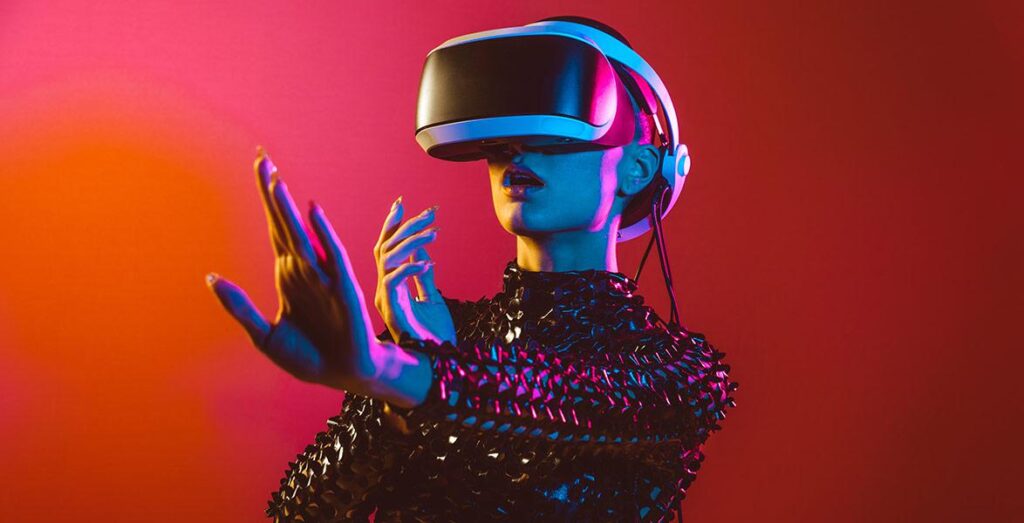
The rise of immersive virtual environments introduces a new frontier. In these spaces, avatar customisation in the metaverse becomes a central touchpoint between the consumer and the brand.
Instead of passively observing brand identity, consumers actively build themselves inside it.
For luxury companies experimenting with metaverse commerce, this raises a strategic design question:
Should brands guide the avatar creation process, or should they give consumers complete creative freedom?
The answer may significantly influence how consumers experience the brand.
Guided vs. Non-Guided Avatar Customisation
Mr. Pandey’s doctoral research examines two contrasting approaches to avatar customisation in the metaverse.
Guided Customisation
In this approach, the brand introduces its aesthetic universe before the consumer begins building their avatar. Colours, clothing styles, textures, and design elements reflect the brand’s identity.
The consumer is free to personalise the avatar, but the available choices are shaped by the brand’s visual language.
This approach assumes that consumers benefit from aesthetic direction. When the brand’s identity frames the experience, the resulting avatar may feel more aligned with the brand’s world.
Non-Guided Customisation
In the alternative approach, consumers receive a blank canvas. They can design their avatar without brand constraints or aesthetic guidance.
This model prioritises creative freedom and assumes that unrestricted personal expression will produce stronger identification between the consumer and their avatar.
Both approaches seem intuitively appealing. Yet the psychological outcomes may differ in ways that are not immediately obvious.
Why the Outcome Is Not Obvious
Consumer psychology offers competing explanations.
Research on self-concept and identity suggests that people form stronger emotional connections with objects that allow unrestricted personal expression. Under this logic, non-guided avatar customisation in the metaverse might produce stronger identification with the avatar.
However, research on aesthetic authority and luxury perception tells a different story.
Luxury brands derive value partly from their perceived authority over taste and design. Consumers often trust these brands to define what is stylish, desirable, or culturally significant.
When this authority shapes the customisation process, it may not feel restrictive. Instead, it may provide a framework that helps consumers make more meaningful choices.
In other words, brand guidance may not limit identity expression. It may channel it more effectively.
Determining which of these psychological mechanisms dominates is precisely what the research aims to explore.
What This Means for Brands Entering the Metaverse
For luxury companies investing in virtual environments, avatar customisation in the metaverse is quickly becoming a critical design decision rather than a minor interface feature.
The way avatar creation is structured can influence:
- how strongly consumers identify with their digital self
- how closely that identity aligns with the brand
- how immersive the overall brand experience becomes
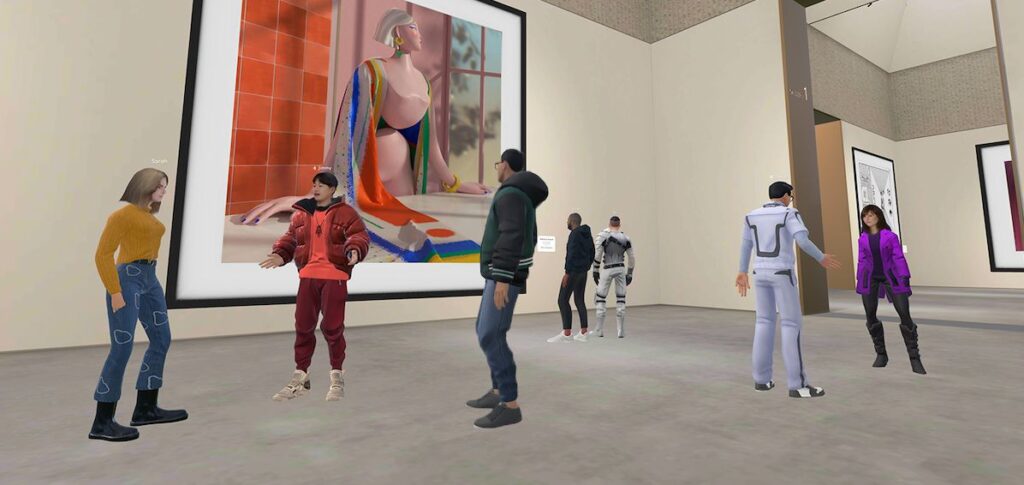
These outcomes are particularly important because virtual environments encourage prolonged engagement. Unlike physical retail spaces, consumers may spend extended time interacting with branded worlds, socialising with others, and shaping their digital presence.
In such environments, the avatar effectively becomes the consumer’s ambassador.
A Rapidly Expanding Market
The importance of these questions is amplified by the speed at which virtual commerce is evolving.
Industry projections suggest that the virtual luxury market could approach $50 billion by 2030, with major brands already experimenting with metaverse experiences.
Companies such as Gucci and LVMH have begun exploring digital fashion, virtual stores, and immersive brand worlds. In these environments, avatar customisation in the metaverse plays a foundational role in how consumers interact with the brand ecosystem.
Once design patterns become established, they may shape consumer expectations across platforms and brands.
This makes early design decisions particularly consequential.
Implications for Platform Designers
The research also holds implications beyond luxury brands themselves.
For designers building metaverse platforms, the structure of avatar customisation in the metaverse influences user behaviour in subtle but powerful ways.
Questions of interface design become strategically important:
- How much guidance should the platform provide?
- At what point does design direction feel like constraint?
- How can platforms preserve creativity while maintaining a coherent aesthetic experience?
Even small decisions about menus, visual prompts, or customisation tools can shape how consumers interpret their role within a digital environment.
The Broader Question About Digital Identity
Beyond the immediate marketing implications, the research touches on a larger cultural shift.
As consumers spend more time in virtual environments, the boundary between physical identity and digital identity becomes increasingly fluid.
Avatars are no longer temporary gaming characters. They are evolving into persistent representations of the self across multiple platforms.
Understanding how consumers approach avatar customisation in the metaverse may therefore offer insights into broader questions about identity formation in digital societies.
When people build their avatars, they are not only expressing who they are. They are experimenting with who they might become.
Why This Research Matters
Mr. Pandey’s doctoral research contributes to an emerging conversation about digital consumer behaviour in immersive environments.
While brands are investing heavily in metaverse experiences, empirical understanding of how consumers construct identity within these spaces remains limited.
By examining the psychological effects of avatar customisation in the metaverse, the research aims to provide evidence-based insights into how brands can design virtual environments that foster authentic consumer relationships.
For marketers, this research highlights the importance of treating avatar design as a strategic component of brand experience.
For scholars, it opens a new avenue for studying how identity, technology, and consumption intersect in increasingly complex ways.
The Question Behind the Avatar
At first glance, building an avatar might appear to be a playful activity.
But behind every decision about appearance, style, and expression lies a deeper negotiation between individual identity and brand meaning.
As virtual environments continue to evolve, avatar customisation in the metaverse may become one of the most powerful spaces where that negotiation unfolds.
When consumers design their avatars inside a brand’s world, they are not just creating a digital character.
They are answering a more profound question.
Who am I in this world — and who does the brand allow me to be?
Author Note
This article draws on doctoral research in progress.
Prashant Pandey
FPM Scholar
Fortune Institute of International Business, New Delhi
Supervisor:
Dr Kokil Jain
Dean of Research & Outreach and Professor of Marketing
Fortune Institute of International Business


















Leave a comment