

Why Smart People Sometimes Make Bad Decisions
Think Forward is a short weekly note on careers, learning, and leadership in a changing world of work. Written by FIIB President Radhika Shrivastava, it shares practical ideas, frameworks, and real stories to help students think more clearly about their professional journeys.
In this issue, we explore how the choices you make during your MBA can speed up—or slow down—your growth.
⚡ A 10-SECOND CHECK
When you face an important decision, what do you usually do first?
Reply A / B / C / D — next week we’ll share what the community said.
The Big Idea:
The Quality of Your Life = The Quality of Your Decisions
Most people assume success comes from talent or hard work.
Those matter.
But over long periods of time, something else quietly shapes outcomes.
Decisions compound.
- The internship you choose.
- The company you join.
- The skill you invest in.
- The risk you take — or avoid.
At the moment they happen, these decisions rarely feel dramatic.
But over years, they shape trajectories.
Young professionals often recognise this pattern later:
- • choosing the wrong internship because friends were doing it
- • joining a company for the brand but not the learning
- • following peers into roles they don’t fully understand
- • quitting something just before the payoff
None of these decisions feel large when they happen.
But their compounding effect can be enormous.
Why Smart People Still Make Bad Decisions
Even experienced leaders struggle with decision quality.
Because most decisions are made under uncertainty.
Jeff Bezos once described this through a simple framework in his shareholder letters.
He distinguishes between:
Type 1 decisions — irreversible, high-impact decisions
Type 2 decisions — reversible decisions.
Most decisions, he argues, are Type 2.
They can be corrected if needed.
Yet people treat them as permanent — and end up overthinking or delaying action.
Good decision makers move faster.
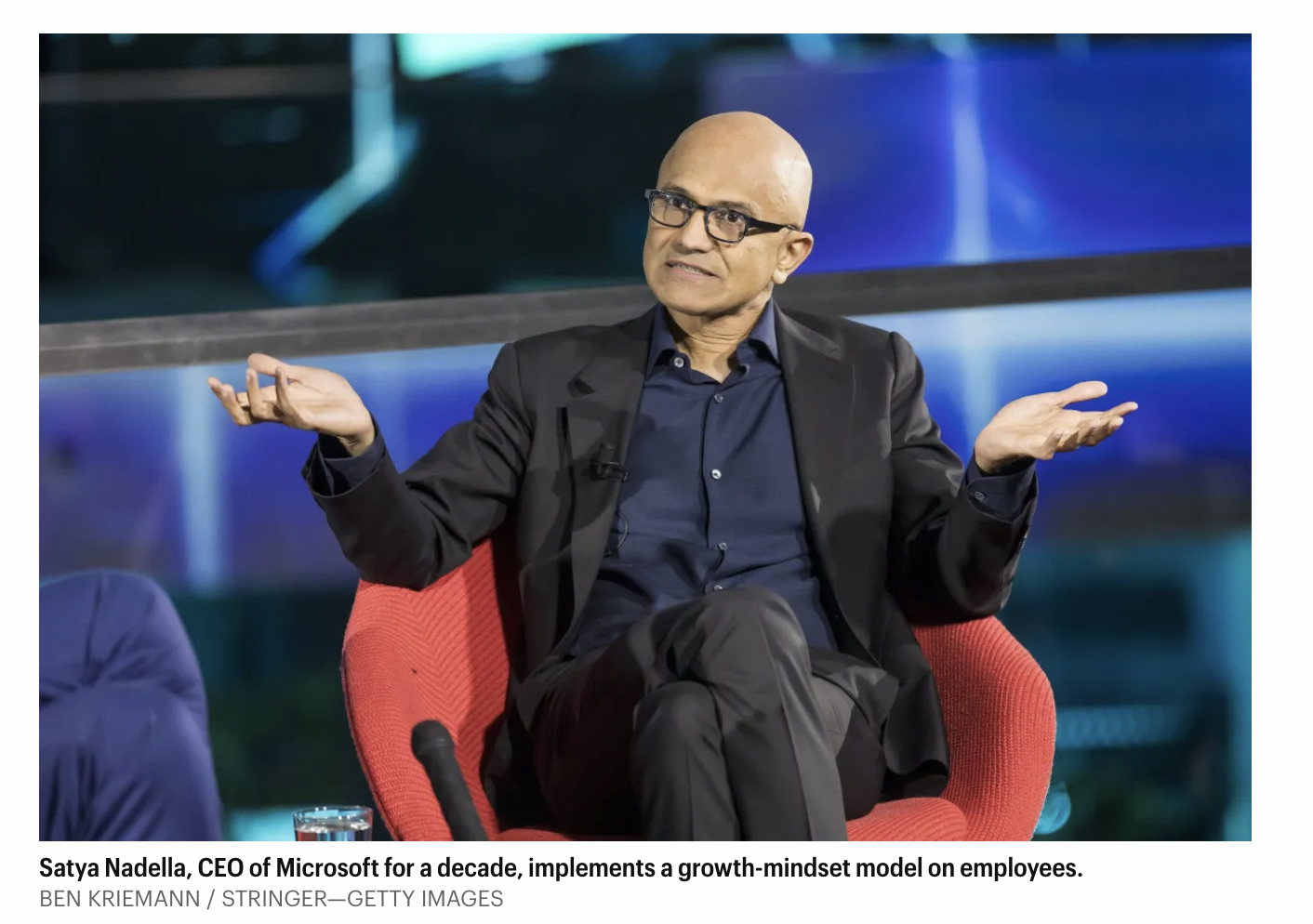
Another perspective comes from Satya Nadella.
He often contrasts two mindsets:
Know-it-alls
vs
Learn-it-alls
Strong leaders, he says, stay curious and continuously update their thinking as new information appears.
Good decisions require intellectual humility.
Legendary investor Charlie Munger often argued that good decision makers rely on mental models — simple frameworks drawn from multiple disciplines that help clarify complex problems.
In one famous lecture at Harvard, he explained that people who rely on a single way of thinking often make predictable mistakes.
Strong decision makers, he argued, build a “latticework of mental models” that helps them see problems from multiple angles.
Read here https://fs.blog/great-talks/a-lesson-on-worldly-wisdom/
Founders often talk about this as well.
Brian Chesky of Airbnb recently described what many call “founder mode.”
Early in a company’s life, founders often make better decisions by staying close to customers and product rather than delegating too early.
Distance from reality leads to weaker decisions.

And sometimes the biggest decisions look risky in the moment.
When Reliance launched Jio under Mukesh Ambani, many analysts initially questioned the scale of the investment.
In hindsight, it reshaped India’s telecom market.
Many high-impact decisions only look obvious after they succeed.
The Decision Quality Flywheel
Because decisions compound, improving them even slightly can have enormous impact over time.
The simple framework below captures how this works.
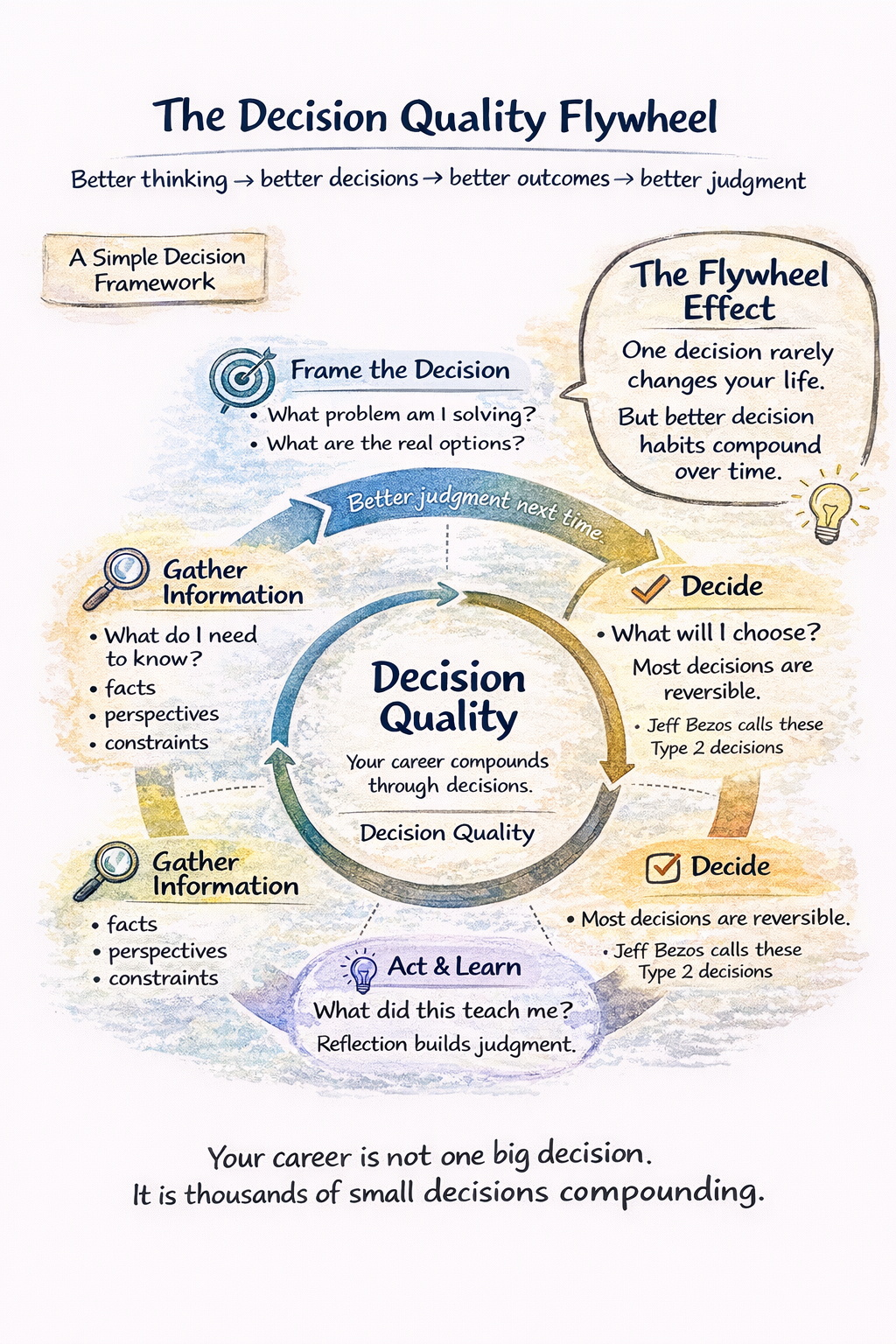
This cycle strengthens over time.
Not because people become perfect decision makers.
But because they become better learners from their decisions.
3–2–1 Framework
- 1. Herd Thinking:
"If everyone is doing it, it must be right." Many career paths start with imitation rather than reflection. - 2. Short-Term Rewards:
Choosing immediate comfort over long-term growth. The role that feels easy today may limit learning tomorrow. - 3. Identity Decisions:
Choosing something because it sounds impressive. Titles often attract attention. But skills build careers.
- • Write down the decision.
Clarity improves thinking. Many bad decisions dissolve when written out. - • Ask one uncomfortable question.
“What could go wrong here?”
Thinking about downside risk improves judgment dramatically.
Before making a major decision, ask: “Will this expand or shrink my future options?” Good early-career decisions usually increase optionality.
Book Recommendation
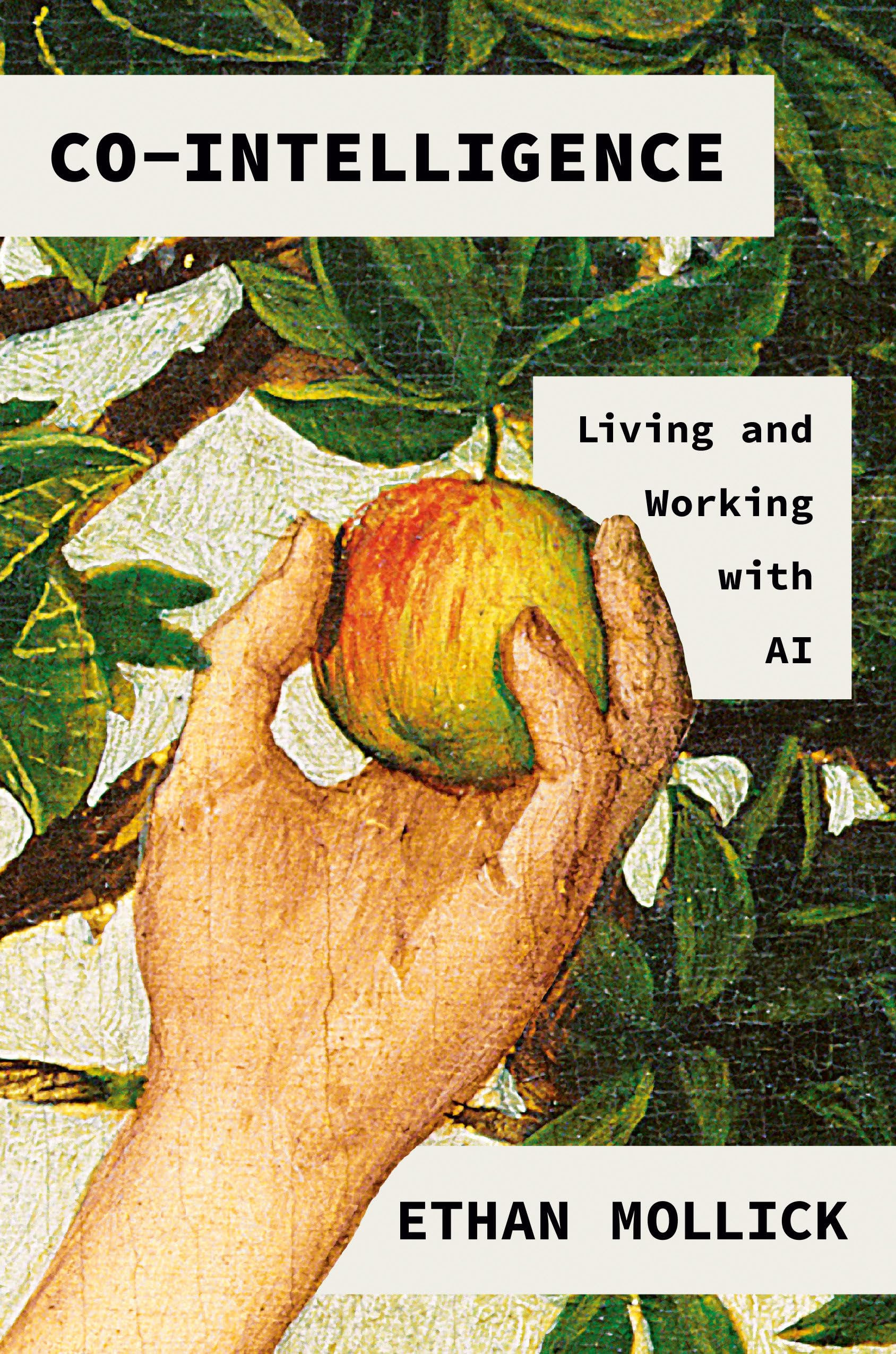
Book Byte: Thinking in Bets by Annie Duke
Former professional poker player Annie Duke argues that life decisions resemble bets made under uncertainty.
You rarely have perfect information.
Good decision makers focus less on being right every time and more on making good decisions based on the available evidence.
For students and young professionals, this shift is powerful. It replaces the pressure of perfection with the discipline of thoughtful risk-taking.
In Practice: Decision Thinking at FIIB

Case Study 1 - Decisions That Don’t Look Like Decisions
A student recently shared a reflection on discovering a passion for anchoring.
At first glance, it reads like a passion story.
But it's really a decision story.
Not all important decisions are big, visible choices.
Some are quieter:
"Do I continue something that feels natural to me — even if it's not part of my main career path?"
In this case, the student chose to keep showing up — learning from each event, improving through experience.
Over time, that consistency turned interest into capability.
Some decisions are not made once.
They are made repeatedly.

Case Study 2 - Structuring Decisions, Not Just Ideas
In a recent case competition, a student team worked on a common problem:
"How do you improve engagement in a learning platform?"
Instead of suggesting more content, they made a different decision:
They structured the problem.
- • Technical skills → role-based learning paths
- • Soft skills → personalized gap analysis
They also introduced an AI-driven scoreboard to drive engagement through feedback and competition.
The insight here is important:
Better decisions often come not from more ideas — but from structuring the problem well.
Extend the Learning
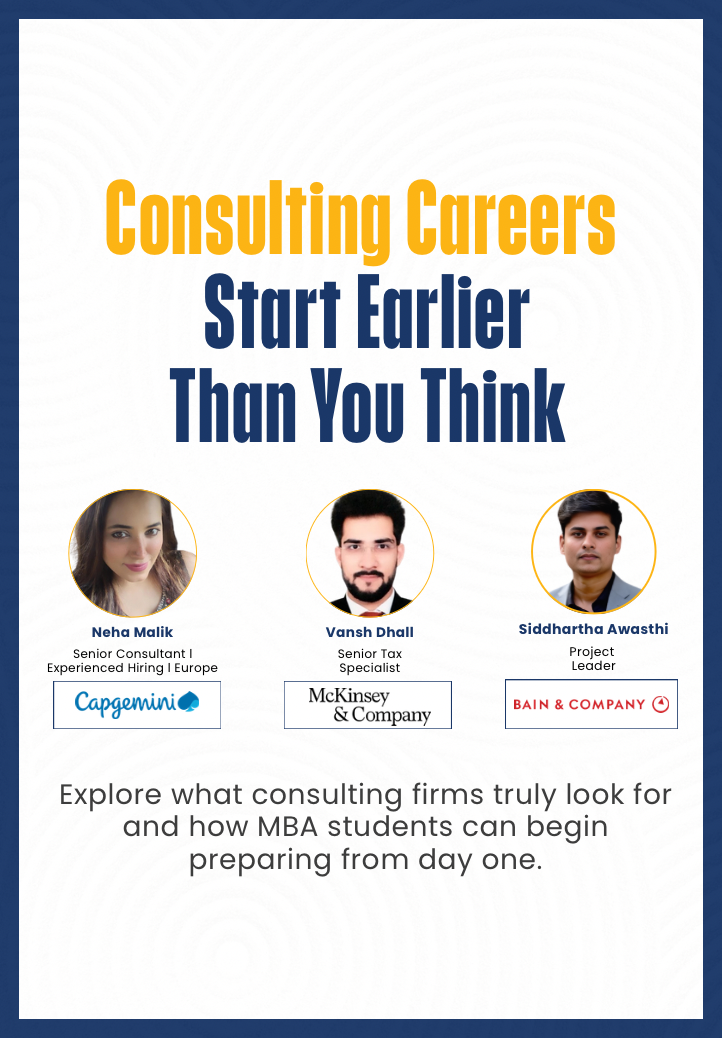
Upcoming Session
Inside the Consulting Track: What Firms Actually Look For
Many MBA students aspire to consulting roles but rarely understand what consulting firms truly evaluate.
In this conversation with FIIB alumni working in consulting, we’ll discuss:
- • how structured thinking is evaluated
- • how case interview skills are built
- • how classroom learning translates into client work
In Closing
Young professionals often assume the biggest risks are the decisions they make.
But the bigger risk is never learning how to make them well.
If you are a current FIIB student — what decision are you thinking through right now?
If you are considering FIIB — what kind of environment would help you make better decisions over the next two years?
Reply and tell us. I read every response — and many of them shape what we build next.
I’ll send a copy of the book featured in this issue to a few readers who share thoughtful responses.
And if this sparked something useful, forward it to someone who takes growth seriously. Just send them this link.
Let’s build sharper together.
Till then, keep stretching your thinking.
Warm regards,
Dr. Radhika ShrivastavaPresident & CEO, FIIB