

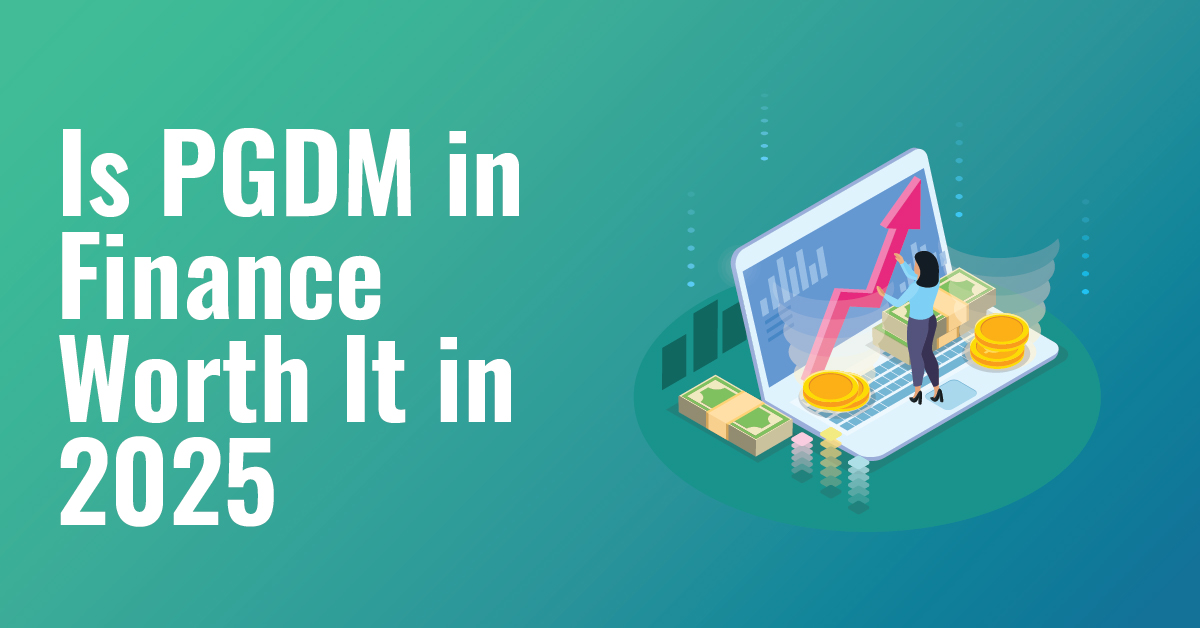
A few years back, finance was a secure, conventional career, teeming with banking, accounting, and audit jobs. However, in 2026, the world is significantly different. The profession is now rapid, technology-driven, and highly interconnected with new areas such as AI, sustainability, and blockchain. So is a PGDM in Finance still worth it in this evolving scenario?
The short answer? Yes. More than ever.
But mind that because not just any finance program will do. A future-ready PGDM in Finance offers much more than theoretical knowledge; it not only equips you with the tools, exposure, and strategic mindset required to navigate but also to lead in tomorrow’s finance world.
Let’s unpack the key reasons why.
1. Finance Careers Are No Longer Traditional
Those days when finance careers involved a lot of number-crunching behind the back-office scenes are in the past. The modern-day finance expert has many hats to wear—data analyst, strategist, risk counselor, and tech partner. Over 80% of the financial services organizations around the world, says PwC, are boosting investment in technology uptake—including AI, predictive analytics, and ESG dashboards.
This shift has opened new, exciting PGDM finance career opportunities in domains such as:
- Fintech & Digital Payments
- ESG & Sustainable Finance
- Risk Management & RegTech
- Financial Data Analytics
- Business Finance Strategy
A PGDM in Finance in 2026 doesn’t just prepare you to work in finance. It prepares you to transform it.
2. How the Finance Career Landscape Is Evolving
2.1 From Traditional Roles to Tech-Driven Finance Careers
Here’s how the finance world has evolved—and what that means for the roles of tomorrow:
| Finance Area | Earlier Roles | 2026+ Roles |
| Fintech | Loan Officers, Back-End Ops | Product Finance Managers, Digital Risk Analysts |
| Analytics | Manual MIS & Excel | Python/SQL-powered Financial Analysts |
| ESG Finance | CSR Reporting | ESG Portfolio Strategists, Green Finance Officers |
| Risk & Compliance | Internal Audit, Statutory Reporting | RegTech Experts, AI-based Fraud Managers |
This transition is creating a massive demand for digitally fluent finance professionals who understand strategy, technology, and data.
2.2 What Employers Are Looking For
Recruiters hiring in 2026 aren’t just looking for degrees; they’re looking for capabilities. The top skills in demand include:
- Advanced Financial Modeling – Using Python/Excel to build predictive models
- Scenario-Based Risk Management – Especially in volatile economic conditions
- Strategic Communication – Explaining financial data to non-finance teams
- Tool Familiarity – Power BI, Tableau, RPA, SAP, Bloomberg, and more
Whether it’s a startup or an MNC, finance hiring is now aligned with future finance jobs, not legacy roles.
3. Top 5 Reasons Why a PGDM in Finance Is Worth It in 2026
We understand that making a career choice can be a little confusing but if you’re wondering whether it’s still worth investing in a two-year PGDM program, here are five industry-backed reasons to help you decide:
3.1 Finance + Strategy = Storytelling
Today’s finance roles aren’t just about creating reports—they’re about telling a story with numbers. PGDM students are trained to read between the lines of data and explain what it actually means for the business. Whether it’s helping a CEO understand market risk or advising a product team on pricing strategy, it’s about translating finance into action.
3.2 Emphasis on Tech-Driven Decision-Making
Let’s be real- Excel alone won’t cut it in 2026. Tools like Python, Tableau, Power BI, and even AI-based analytics are fast becoming essentials in finance. The good news? Most PGDM programs (like the one at FIIB) don’t just teach these tools but they give you hands-on experience using them to solve real business problems.
3.3 Exposure to Global Financial Standards
Finance today doesn’t stop at borders—and neither should your knowledge. With global standards like IFRS, FATCA, and ESG regulations shaping decisions, PGDM programs now include these frameworks in their curriculum. So, whether you work for an Indian MNC or a global bank, you’re ready to speak the language of international finance.
3.4 Industry-Aligned Curriculum
Finance isn’t static, and neither are the top PGDM programs. The curriculum is constantly evolving with inputs from CFOs, fintech leaders, and industry experts. That means you’re not stuck learning outdated theories but you’re learning fintech strategy, sustainable finance, risk analytics and more, right when they’re making headlines.
3.5 Focus on Real-World Applications
It’s one thing to study finance from a textbook. It’s another to dive into a real-life business case, pitch a solution, and back it up with numbers. Through case studies, live simulations, and industry projects, PGDM students practice exactly that bridging the gap between classroom learning and boardroom thinking.
4. Why FIIB’s PGDM in Finance Gives You an Edge
Choosing a PGDM is about choosing the right institute, and FIIB checks all the boxes.
4.1 Future-Ready Curriculum Built with Industry Experts
- Courses in Fintech, ESG Investing, Financial Analytics, and Risk
FIIB’s finance course is not behind the times. It’s constructed to do what the industry really requires in 2026, including blockchain in finance, sustainable investment strategies, and predictive risk modeling.
- Tools like Bloomberg, Power BI, and SAP embedded into classroom learning
Students don’t only learn from tools—they work with them. Bloomberg Terminals, Power BI dashboards, SAP systems, and more are incorporated into daily coursework, providing students with hands-on experience on the same systems employed by leading financial firms. - Electives shaped by insights from recruiters and alumni
Elective courses aren’t selected in isolation—they’re co-developed with input from hiring partners and successful alumni, ensuring that what you learn in class directly aligns with the roles you’ll pursue after graduation.
4.2 Faculty Who’ve Worked in Finance and Tech
- Learn from professionals with real experience in banking, data science, and fintech
At FIIB, your teachers don’t only teach—they lived the finance life. They have extensive experience working with the best banks, fintech startups, and international consulting firms, infusing practical experience into every class. - Get mentored on live case studies, projects, and simulation labs
One-on-one guidance is provided to students through intensive case-based learning and simulation labs, allowing them to solve real-world dilemmas and gain strategic thinking skills that extend far beyond the book.
4.3 Career Support That Delivers Results
- Roles secured: Business Analyst, Risk Manager, ESG Consultant, Treasury Associate
FIIB graduates are placed in high-demand, core finance roles that align with future-focused domains—whether it’s ESG finance, strategic FP&A, or fintech advisory. - Strong recruiter network in core finance and emerging sectors
With established relationships across banking, NBFCs, fintechs, and investment firms, FIIB connects students with recruiters who are actively hiring for digital-era finance roles. - Mock interviews, resume workshops, and 1-on-1 mentoring
Career support goes beyond just listings—it includes structured interview prep, customized feedback on resumes and LinkedIn profiles, and personalized guidance throughout your placement journey.
FIIB doesn’t just prepare you for your first job—it prepares you for your best one.
Conclusion: In 2026, PGDM in Finance Is Not Just Worth It- It’s Essential
The financial sector is evolving fast. And with it, the kind of talent it values most is evolving too. In this dynamic landscape, a PGDM in Finance isn’t just a degree—it’s your toolkit to lead.
Whether you dream of managing sustainable investment portfolios, working with fintech disruptors, or advising Fortune 500 CFOs, this is the path that equips you for all that—and more.
The time to act is now.
Explore how FIIB’s PGDM in Finance can shape your journey in the finance world of tomorrow.













Leave a comment